
At The Restaurant, My Brother Said, “An Adopted Girl Like You Does Not Belong Here.” All Laughed.
A heartbreaking family revenge saga unfolds when Natasha, orphaned at five, discovers her adoptive parents Donna and Scott Harris stole her $600,000 trust fund to finance their biological children Blake and Autumn’s lavish lifestyles. For twenty-two years, she endured hand-me-downs, exclusion, and emotional neglect while they cashed state adoption checks.
At a tense family dinner, Grandpa Quentin Bennett shocks everyone by rewriting his will, leaving Natasha his entire $2.8 billion fortune. As the truth explodes in court, Blake’s outburst confesses the embezzlement, sealing a $1.8 million restitution judgment. Social media wars rage with Autumn’s fake-news campaigns, but facts prevail.
One year later, Donna and Scott face bankruptcy, Blake loses his career and assets, and Autumn’s influencer empire collapses. Natasha severs all ties, founding the Natasha Carter Foundation to empower foster youth with scholarships and legal aid. This powerful family drama proves that true kinship lies in kindness, not blood. A must-read among revenge stories and family stories, it explores betrayal, justice, and redemption in a gripping tale of family revenge and sisterly rivalry turned triumph.
My name is Natasha Carter, twenty-seven, adopted at five.
At my brother’s birthday dinner in one of Miami’s top red-velvet steakhouses, he stood up, glass in hand, and declared to the whole table, “An adopted girl like you doesn’t belong here.”
Everyone burst out laughing.
The waiter arrived with the check and placed a $2,500 bill directly in front of me for their entire celebration. I smiled, signed the receipt without a word, and slid my card back into my wallet.
Then a calm voice broke the noise.
“Just a moment, please.”
My brother’s smirk froze. The laughter died instantly. My parents and my sister were still grinning like it was all a game. I sat there gripping my glass, pulse racing. Twenty-two years of being the afterthought, the obligation.
The only person who ever looked at me like I mattered watched from the end of the table, eyes steady.
“That’s enough,” I said quietly.
“Relax. It’s just family humor,” my mother dismissed with a flick of her wrist.
The conversation rolled on: my brother boasting about his new deal, my sister flashing her phone with brand mentions, my father interrupting when I mentioned a $50,000 contract just to ask about dessert. I became air.
Then the bill arrived—targeted, deliberate—set right in front of me.
If you’ve ever been made to feel like an outsider in your own family, you know that moment. If you have, drop your story in the comments below.
As the silence at the table deepened, the old accident resurfaced in my mind: the shriek of brakes on a slick road, the brutal impact that snatched my parents when I was five. No relatives stepped up to claim me. Florida’s child welfare system placed me on the urgent adoption list and moved me between temporary spots until my adoptive mother, Donna Harris, and my adoptive father, Scott Harris, finalized the forms.
Years later, I located the dossier in their office—logs of monthly state payments for additional dependent aid. They took me in for the funds, not the family.
The early days set the pattern.
My new brother, Blake Harris, examined my meager luggage and asked if there was an exchange option. My younger sister, Autumn Harris, engrossed in her games, said adoptees were “on loan.” Donna pushed Blake’s cast-off shirts into my arms.
“These can hold you over,” she mentioned, already leaving the room.
“Hold over” became standard. My wardrobe stayed recycled. Autumn obtained custom sets for yearbook shots. I took handovers from donation drives and relief efforts.
“Brand-new is for blood relations,” Scott explained when I pointed out the rips in the soles of my shoes.
“Blood relations.” The term trailed me through grade school. Blake spread rumors that I’d been ditched at a truck stop. Autumn insisted my biological parents were wanted criminals. I ate by myself at lunch, my scores the lone safeguard no one could take.
Middle school granted no pause. Autumn’s recital outfits were fitted and sequined. My gear came from forgotten lockers and clearance racks. College talk started early—for them.
Blake got escorted campus previews and fully financed entries. Autumn’s application essays received specialist polishing. When I showed them my public college acceptances, Donna skimmed the letters.
“A two-year program fits better,” she decided. No room for discussion.
I shelved merchandise late into the evenings, handled my fees solo, and graduated with honors they never acknowledged.
Self-employed marketing started with online classes I took at night from borrowed computers in shared spaces. I sent proposals from shared workstations, built contacts, and landed bigger jobs. One contract hit $50,000 for a total image revamp. I mentioned it at an informal gathering, keeping my tone light.
“Notable,” Donna said, shifting right away to Autumn’s interaction figures. My success blended into her data points.
Family events highlighted the divide. Holiday mailers placed Blake and Autumn front and center in glossy photos. I hovered peripherally or stayed away. Their milestones included rented halls and engraved gifts. Mine went unmarked unless I nudged.
I stopped nudging.
The extra room over the garage was mine—drafty panels, heater unreliable in the cold months.
“It builds toughness,” Scott asserted when I brought up the issue.
Blake’s jibes evolved into veiled strikes. At functions, he toasted “true lineage” and bumped Autumn’s shoulder. She snickered and uploaded curated visuals, cropping me out. Once I confronted her after dinner.
“What wrong have I done?” I asked.
Autumn breathed out, bored.
“Being around is enough.”
Donna stepped in and blamed me for “stirring up unrest.”
Grandpa Quentin Bennett was the only one who balanced the scale.
He arrived with treats or drive-through cash, sat on the stoop with me, and asked about my plans.
“You’re forging something lasting,” he’d say, voice steady. “Keep it close.”
His support was essential, but it couldn’t cancel the ongoing message that I was optional, not required.
Back at the steakhouse table, strain mounted with each word. Blake’s report swelled louder. Autumn’s phone glowed with notifications. My parents soaked in every bit of their children’s attention.
Grandpa Quentin held his position, his cool gaze locked on me. My fingers traced the rim of my glass, the weight of twenty-two years compacting into one moment. My image revamp contract already ignored, the staff refilled my water and I ignored the drink.
Conversation looped back to Blake’s latest operation and Autumn’s schedule. I sat in the middle of the noise, thinking of the adoption anniversary they skipped, the welfare credits that came steadily, the school sessions they avoided so they could attend Blake’s games and Autumn’s events.
Every incident underlined the same fact: I was the channel for bonus pay, not the goal.
Escape plans appeared and vanished. At twenty-four, I saved enough to move into my own small unit, only for Donna to sob and guilt-trip me about “abandoning family.” Regret took that round.
This one was different.
Grandpa Quentin shifted in his seat, quiet and intentional. Only I noticed it at first. His gaze held new purpose.
Blake launched into another story. Autumn adjusted her camera. My parents echoed their pride.
I sat in the uproar, memories slicing sharp, ready for the change.
Grandpa Quentin rose slowly from his chair, the scrape of wood against tile cutting through the chatter like a blade. Every head turned, forks frozen midair as his shadow stretched across the white linen.
He adjusted his cufflinks once, deliberate, then rested both hands on the edge of the table. His voice, when it came, was low but carried the weight of decades in real estate boardrooms.
“I’ve watched for twenty-two years,” he began, eyes sweeping the faces that had ignored me all night. “Watched the hand-me-downs, the skipped ceremonies, the way success gets buried if it’s not theirs. Watched a child raised in this house treated like a guest who overstayed.”
My mother shifted uncomfortably, napkin twisting in her lap. My father cleared his throat, but Grandpa Quentin lifted a finger, silencing him without effort. Blake leaned back, arms crossed, smirk fading. Autumn’s phone lowered an inch, thumb hovering.
The room held its breath.
“Tonight confirms what I’ve known for too long,” Grandpa Quentin continued. “Family isn’t blood. It’s action. And actions have consequences.”
He reached into his jacket, pulled out a slim leather folder, and placed it beside his plate.
“This is my revised will, signed this morning. Effective immediately.”
He opened the folder and slid a single sheet toward the center of the table. Bold print stared up at us:
Beneficiary: Natasha Carter.
Estate Value: $2.8 billion.
The number landed like a detonation.
My sister’s jaw dropped, her phone forgotten. Blake’s chair legs screeched as he shot upright, palm slamming the table so hard glasses jumped.
“You’re joking,” he barked, veins bulging at his temple. “That’s our inheritance. Mine and Autumn’s. The company’s future.”
Grandpa Quentin didn’t flinch.
“Your future,” he said calmly, “was built on her past. Every tuition. Every car. Every vacation paid from a trust meant for the girl you mocked.”
He turned to me, his eyes softening for the first time all evening.
“Natasha, this isn’t charity. It’s restoration.”
Autumn recovered first, phone flipping to camera mode.
“Everyone, we’re live now. Grandpa’s lost it,” she announced to her screen, angling for the best light.
Comments flooded in instantly.
Is this real?
Call the lawyers.
Drama alert.
She whisper-narrated, “Family meeting gone wrong. Stay tuned.”
My mother lunged across the table, grasping Grandpa Quentin’s sleeve.
“Dad, think about this,” she pleaded, voice cracking. “We’re your blood. She’s… she’s just—”
She couldn’t finish.
My father joined in, knees bumping the underside of the table.
“Quentin, the business needs liquidity. Pulling $2.8 billion will collapse everything we’ve built.”
“What you built,” Grandpa Quentin said evenly, “was on a stolen foundation.”
He tapped the document.
“Natasha’s biological parents left a trust—$600,000—intended for her education and her future. You diverted every cent.”
Blake’s face drained of color. Autumn’s live stream lagged as her hand shook.
I sat frozen, the paper inches from my fingers. Two point eight billion. The number blurred.
To avoid any question of validity, Grandpa Quentin pulled out his phone and dialed on speaker.
A crisp voice answered. “First National Trust legal department.”
“Richard, it’s Quentin Bennett. Confirm the amendment filed at 9:00 a.m. Full transfer to Natasha Carter. Irrevocable.”
A pause. Keyboard clicks.
“Confirmed, Mr. Bennett. Notarized, witnessed, filed with the county. Ironclad.”
Blake kicked his chair back and stormed toward the exit.
“This is elder abuse!” he shouted. “We’ll contest!”
Autumn followed, still streaming, tears smearing her mascara for the camera.
“You’re all witnessing manipulation,” she cried to her followers.
My parents remained seated, faces ashen, whispering frantic calculations.
Grandpa Quentin ignored the chaos, sliding the will fully toward me.
“Sign the acknowledgment, Natasha. It’s yours.”
My hand trembled as I took the pen. The ink flowed smooth, binding everything around us.
The restaurant staff hovered at a distance, sensing a scene best avoided. A manager approached hesitantly.
“Mr. Bennett, shall I call security?”
“No need,” Grandpa Quentin replied. “Family matters are handled.”
He stood taller, addressing my parents one last time.
“You have thirty days to vacate any properties tied to the trust. After that, legal takes over.”
My mother sobbed quietly. My father stared at the tablecloth like it held answers.
Blake reappeared in the doorway, face twisted.
“You think this ends here? Lawyers, media—we’ll drag her name through everything.”
Autumn nodded vigorously behind him, live viewer count climbing.
Grandpa Quentin smiled without warmth.
“Try. Every audit, every withdrawal, every lie—it’s documented. The truth doesn’t need a filter.”
I folded the will, heart pounding against my ribs. Two point eight billion. More than revenge, more than justice. A beginning.
Grandpa Quentin placed a hand on my shoulder, steady as steel.
“You earned this long before tonight.”
The room spun with shouted threats, flashing phones, and crumbling facades. But for the first time, the noise wasn’t aimed at diminishing me.
My parents tried one last appeal, voices overlapping.
“We raised her. She’ll waste it. Think of the grandchildren.”
Grandpa Quentin cut them off with a look.
“You raised a survivor. She’ll decide what comes next.”
He signaled to the waiter for the check—his card this time.
Blake stormed out for good. Autumn’s battery died mid-rant. As the restaurant emptied of our party, Grandpa Quentin guided me toward the exit.
“Tomorrow we meet the executives,” he said quietly. “Tonight you breathe.”
The valet brought his car. Miami’s humid night air wrapped around us, thick with possibility. Behind me, my old “family” splintered in the parking lot, their arguments echoing off the concrete.
I didn’t look back.
Two days later, we gathered in the sun-drenched study of the Coral Gables estate, floor-to-ceiling windows framing manicured lawns that had never felt like home. Grandpa Quentin laid a thick manila envelope on the mahogany desk and motioned for me to sit beside him.
My parents entered hesitantly, my mother clutching a tissue, my father loosening his tie as if the room were shrinking. Blake slouched in an armchair, scrolling messages with a scowl. Autumn perched on the sofa arm, filming discreetly for her stories.
Grandpa Quentin opened the envelope and spread the documents like evidence in a trial. Bank statements. Transfer records. Canceled checks. Each page stamped with dates spanning two decades.
“This is the trust established by Natasha’s biological parents,” he explained, voice even. “Six hundred thousand dollars intended solely for her upbringing and education.”
He pointed to highlighted lines—every dollar diverted.
My father leaned forward, squinting.
“Those are old family accounts,” he protested.
Grandpa Quentin slid a ledger across the desk.
“Purchases: the Coral Gables property deed in your names. Two luxury vehicles registered to Blake. Full tuition payments for Autumn’s private academy and Blake’s university.”
The numbers aligned perfectly. Six hundred thousand gone, funneled into assets now titled to them.
I traced the signatures on the transfers—my mother’s elegant script, my father’s bold strokes.
“You told me there was no money for my college,” I said, directing the words at my father.
He met my eyes briefly, then looked away.
“We had expenses,” he muttered. “Raising an extra child isn’t free.”
Blake snorted.
“She got a roof. Food. More than enough.”
Autumn zoomed her camera in on the papers, narrating under her breath for her viewers.
“Proof they stole from the golden goose,” she whispered. “Stay tuned.”
Grandpa Quentin produced another sheet.
“Forensic audit completed yesterday. Every withdrawal traced.”
He turned to my mother.
“Explain the wire for the yacht club membership.”
She dabbed at her eyes.
“That was a family investment,” she said.
“Family,” I pressed, “or just yours?”
Silence stretched until she whispered:
“We thought the trust was ours to manage.”
My father tried reason.
“Natasha, we provided stability after your loss. Clothes. Doctors. Holidays…”
“Hand-me-down clothes,” I interrupted. “No doctor visits I didn’t pay for. Holidays where I served the guests.
The audit shows cruise bookings for four—never five.”
Autumn lowered her phone, bored.
“This is boring. Can we sue for defamation?”
Grandpa Quentin ignored her, handing me a final report.
“Interest compounded and inflation-adjusted, the original $600,000 is now valued at $1.8 million—with penalties.”
My parents exchanged panicked glances.
I faced my father directly.
“You signed away my future for a down payment on this house.”
He opened his mouth, closed it, then tried again.
“We intended to repay—”
“Intentions don’t restore what was taken,” Grandpa Quentin cut in.
He dialed his attorney on speaker.
“File the claim: breach of fiduciary duty, embezzlement, fraud. Full restitution plus damages.”
Blake jumped to his feet.
“You can’t freeze our assets!”
The lawyer’s voice crackled through the speaker.
“Preliminary injunction effective immediately. Accounts locked pending hearing.”
Autumn’s live feed cut as her signal dropped in panic.
My mother reached for my hand.
“Sweetie, we’re family. Forgiveness—”
I pulled back.
“Family doesn’t invoice a child for existing.”
The phrase hung heavy in the room.
Grandpa Quentin gathered the files.
“Court date set for next month. Prepare your defense.”
As we left the study, staff whispered in the hallways, sensing the shift. Blake kicked a side table, splintering wood. Autumn refreshed her backup phone, already plotting damage control.
My parents trailed behind, their voices low with calculations of lawyers and liquidations.
The estate that once loomed as my cage now echoed with their uncertainty.
“This chapter closes the theft,” Grandpa Quentin said quietly as we stepped out onto the front steps. “The next builds your empire.”
I nodded, the weight of stolen years lifting with each documented truth.
Outside, the Florida sun burned bright on a path finally mine.
Notifications exploded overnight as Autumn’s story hit every platform she controlled. The clip looped her tear-streaked face against a luxury backdrop, caption blazing:
Adopted sister manipulates dying grandpa for billions. Full exposé coming.
Within hours, hashtags trended nationwide.
#BarHarrisHeist
#FakeHeiress
#ElderAbuseAlert
Comments poured in, splitting the internet into camps.
Supporters of Autumn flooded her with sympathy.
“Poor girl lost her inheritance to a con,” one viral post read, racking up millions of likes.
Influencer allies reposted doctored screenshots—my signature on the will photoshopped over a nursing home contract.
“Proof she coerced him,” they claimed.
Brands paused Autumn’s partnerships pending “clarification,” but her follower count surged from the drama.
The other side rallied behind me. Anonymous accounts leaked redacted audit summaries showing the diverted trust funds.
“The real theft happened years ago,” a thread argued, gaining traction on finance forums.
Journalists messaged me for interviews. Podcasters invited me to counter the narrative. Public opinion fractured like glass under pressure.
My phone vibrated non-stop with texts from Blake, each one more venomous than the last.
“You’ll regret this,” the first one read, followed by screenshots of my new address, my car’s license plate.
“Lawyers cost money. Accidents don’t,” another said. “Sleep lightly.”
I forwarded everything to security without replying.
Grandpa Quentin reviewed the chaos over breakfast at his downtown penthouse, tablet open to trending pages.
“They’re desperate,” he observed, sipping his coffee. “Desperation breeds mistakes.”
He pushed a legal pad across the table.
“Document every threat, every false post. Defamation adds to the case.”
Autumn escalated by midday, going live from a rented studio.
“Natasha isolated Grandpa, fed him lies about us,” she sobbed to thousands.
Edited clips showed me whispering in his ear at the restaurant, the audio manipulated to sound sinister.
Viewers donated to her “Truth Fund,” tipping the scale further.
Counterposts emerged from unlikely sources. Former classmates shared stories of my part-time jobs and my solo graduations. A marketing client publicly vouched for me.
“Natasha earned every contract fairly,” they wrote.
The tide shifted subtly, but the noise still drowned everything.
Blake’s texts turned frantic.
“Call off the suit or we release more.”
He attached old photos from my foster files, twisted captions implying instability.
“Media loves a broken adoptee,” he added.
I saved them all, heart steady despite the sting.
Grandpa Quentin convened his legal team that afternoon.
“Prepare countersuits for libel,” he instructed. “Trace the edits. Subpoena platform data.”
The attorneys nodded, already drafting motions.
“Court favors evidence over tears,” one of them assured us.
Autumn announced a press conference for the next day, promising “shocking revelations.” Teasers hinted at medical records, twisting Grandpa Quentin’s health into incapacity claims.
Online polls swung wildly. Bookmakers even opened odds on the outcome.
Blake sent a final barrage.
“Last chance. Drop it or lose everything you just gained.”
I blocked his number, installed new locks, and hired discreet protection.
Grandpa Quentin noticed my tension.
“Fear is their weapon,” he said. “Truth is ours.”
By evening, the story dominated news cycles. Pundits debated inheritance law, adoption ethics, and social media influence. My inbox filled with support from strangers who’d felt overlooked in their own families.
The division deepened, but cracks appeared in Autumn’s façade. Fact-checkers flagged inconsistencies. Sponsors reconsidered.
“Let them talk,” Grandpa Quentin advised. “Court silences noise with facts.”
We reviewed depositions, witness lists, and timelines. The battle began to move from screens to filings—from likes to law.
Three months later, the Miami-Dade courtroom buzzed with spectators packed shoulder to shoulder. Cameras were banned, but whispers rippled like static.
Grandpa Quentin took the stand first, oath sworn with the calm of a man who had built empires.
The prosecutor projected medical reports onto a screen—neurological exams, cognitive tests—all dated weeks before the will revision.
“Capacity score: Ninety-eight percent,” the expert witness read. “No impairment. No signs of coercion.”
Cross-examination tried to poke holes.
“Isn’t age a factor?” the defense counsel pressed.
“Age sharpens judgment,” Grandpa Quentin replied, a faint smile touching his mouth. “Doesn’t dull it.”
A ripple of laughter flickered in the gallery. The judge tapped her gavel once.
Next came the trust forensics.
A certified accountant walked the court through spreadsheets.
“Original deposits: six hundred thousand dollars,” she said. “Withdrawals timed with property closings, vehicle purchases, and semester invoices. Funds never reached the beneficiary.”
My mother gripped the railing, knuckles white. My father stared at his shoes.
Blake shifted restlessly in the defendants’ row, tie askew, eyes darting.
Autumn sat behind him, makeup flawless but hands trembling on her notebook.
The prosecutor called me to testify.
I detailed the diverted education budget, the part-time jobs, the community college loans.
“Every dollar meant for my future funded their lifestyle,” I stated, voice steady.
The defense tried to paint me as ungrateful.
“Didn’t they provide shelter?”
I nodded.
“Shelter without support.”
The accountant corroborated with receipts—summer camps for Blake, European tours for Autumn, zero expenditures labeled for me.
Grandpa Quentin returned for rebuttal, projecting emails from my parents requesting trust releases for “family emergencies.” One read:
“Use Natasha’s portion. She won’t notice.”
Gasps echoed through the courtroom.
My mother covered her face.
Tension peaked during Blake’s turn.
He swaggered to the stand, smirking at first.
Questions about his sports car purchase triggered evasions.
“Family asset,” he claimed.
The prosecutor displayed the title in his name and a loan funded the exact day the trust was drained.
Blake’s smirk faltered.
Pressure mounted with each document: tuition wires, yacht maintenance fees, all traced back to the trust.
“Admit the misappropriation,” the prosecutor urged.
Blake gripped the rail.
“It was ours to use,” he snapped.
The courtroom stilled.
The judge leaned forward.
“Clarify ‘ours.’”
Blake’s face reddened.
“The money was for the real kids,” he spat. “Natasha got enough scraps.”
He realized too late what he’d said. Words tumbled out anyway.
“We paid for her food. Her—”
“Paid with her inheritance,” the prosecutor interrupted.
“Yes, we used her stupid trust because she didn’t deserve it!” Blake exploded.
The admission rang out, microphones catching every syllable.
Bailiffs moved closer.
Autumn buried her head in her arms.
My parents froze in horror.
The judge banged her gavel hard.
“Order.”
Blake kept ranting.
“She manipulated everything—Grandpa, the lawyers—”
Grandpa Quentin shook his head sadly.
The prosecutor requested summary judgment on liability. The defense scrambled for damage control, but the outburst sealed it.
The judge reviewed the compounded interest calculations.
“Total restitution: $1.8 million, plus legal fees,” she ruled. “Payment due within sixty days. Liens on all assets if unpaid.”
Blake lunged toward the table as bailiffs restrained him.
“This is robbery!” he yelled.
The judge cited him for contempt, adding fines.
Autumn slipped out a side door, reporters chasing her.
My parents remained seated, faces blank with defeat.
Grandpa Quentin squeezed my hand as we exited. Court clerks processed the order. Journalists waited outside, but security held them back.
The verdict spread instantly. Headlines flashed Blake’s meltdown across screens nationwide.
In the hallway, my father approached hesitantly.
“Natasha, we can appeal,” he said.
I walked past without a word.
Grandpa Quentin guided me to the elevator.
“Justice served,” he murmured.
The doors closed on their shattered expressions.
The ruling triggered asset freezes. Bank accounts locked, properties flagged. Blake’s car was towed from the courthouse lot. Autumn’s remaining sponsorships evaporated overnight.
The $1.8 million loomed like a guillotine over their finances.
Grandpa Quentin reviewed the enforcement plan over lunch.
“Collection starts immediately,” he said.
Attorneys filed garnishments and foreclosure notices. My mother’s jewelry went to auction first, proceeds applied to the debt. Blake’s public meltdown replayed endlessly, memes mocking his “real kids” line.
Job offers dried up. Social circles shrank.
Autumn deleted her main accounts, resurfacing under aliases that gained no traction.
The family name was tarnished beyond repair. The judge’s order stood firm. No appeal bonded in time. Liens attached to every traceable asset. Sixty days ticked down relentlessly.
Grandpa Quentin monitored progress daily, ensuring every cent returned.
I watched from a distance, the courtroom’s echo fading. One point eight million restored what was stolen—with interest. Blake’s self-destruction completed the circle. No further testimony was needed.
Two weeks later, Grandpa Quentin passed peacefully in his sleep, surrounded by the quiet hum of monitors in his private suite overlooking Biscayne Bay.
The funeral drew a modest crowd: business associates, loyal staff, a few distant cousins who had never meddled.
My parents attended out of obligation, faces drawn under black veils. Blake stood apart, hands jammed into his pockets. Autumn filmed discreet clips for a tribute post that never materialized.
The will reading occurred the next morning in a wood-paneled conference room. Attorneys distributed sealed envelopes. Mine contained the final transfer documents: $2.8 billion, liquid and unrestricted, wired to accounts in my name alone.
The magnitude settled slowly—not as triumph, but as responsibility.
My mother approached afterward, eyes pleading.
“We could use guidance,” she whispered.
I stepped back.
“Guidance was never offered to me.”
My father tried next, voice cracking.
“The house—”
“Foreclosure proceedings begin next week,” I cut in.
Blake muttered something about appeals. Security escorted him out.
One year unfolded like chapters closing.
Donna and Scott filed for bankruptcy in the spring. The Coral Gables estate sold at auction to cover remaining debts. They relocated to a cramped apartment downtown, their credit ruined. Social invitations dried up. Donna took night shifts at a call center. Scott drove rideshares, passengers recognizing him from viral clips of the trial. Former colleagues crossed the street to avoid them. Charity events removed their names from donor lists.
Blake’s career imploded under public scrutiny. Executive roles vanished as boards cited “reputational risk.” He cycled through sales gigs, each shorter than the last, until references dried up entirely. Creditors seized his remaining assets—boat, watches, club memberships—leaving him with a leased sedan and mounting legal fees from failed countersuits.
Autumn lost every endorsement within months. Brands distanced themselves from the scandal. Her follower count plummeted as algorithms buried her content. She attempted rebrands—wellness guru, crypto adviser—but credibility had evaporated. Last sightings placed her in a budget motel, pitching comeback scripts to indifferent producers.
Former collaborators ghosted her. Even fan pages quietly archived.
I channeled the inheritance differently.
The Natasha Carter Foundation launched with a focus on adoption reform and educational equity. Initial grants funded scholarships for foster youth, legal aid for trust disputes, and mentorship programs in underserved schools.
Board meetings replaced family dinners. Impact reports became my new milestones.
Within twelve months, over five thousand students received support, with graduation rates climbing twenty percent in partnered districts.
Contact with my former family ceased entirely. I changed numbers, blocked addresses, and put legal restraints in place against contact.
My parents sent letters through attorneys—apologies, requests for meetings. Each was returned unopened. Blake left voicemails that went straight to archive. Autumn tagged me in desperate posts; algorithms hid them from my feed. Restraining orders followed the first violation attempts.
The foundation grew exponentially. Partnerships with universities created pipelines for first-generation students. Annual galas raised millions more, donors inspired by the origin story without needing the bitterness.
I spoke at commencements—not about revenge, but about resilience.
“Resources withheld can become resources multiplied,” I told graduates.
Media profiles shifted from scandal to impact. Headlines celebrated lives changed. My personal life stayed simple: a modest condo in Coconut Grove, weekends volunteering at shelters, travel for site visits rather than luxury.
Wealth became a tool, not a trophy. Advisors managed investments. I focused on outcomes—thousands of lives altered for the better.
A small circle of trusted colleagues and mentees formed my new inner circle, bound by shared purpose rather than obligation.
Reflections came during quiet evenings on the balcony, bay lights twinkling below. Grandpa Quentin’s voice echoed in memory.
“Actions define family.”
The biological tie had severed long ago. Chosen bonds—mentors, scholars, staff—filled the space with genuine regard.
Former connections faded into irrelevance. Their absence felt like relief.
True family reveals itself through kindness, not blood. Those who withheld love lost everything. Those who extended it built legacies.
The lesson crystallized in every grant approved, every success story shared.
To everyone who followed this journey to the end, thank you for your time and attention. Your presence made the telling worthwhile.
The first year of the Natasha Carter Foundation taught me that winning in court and winning in life are two very different battles.
Court gives you a moment.
Life asks what you do with it.
After the headlines faded and the memes about Blake’s “real kids” line fell out of the algorithm, I woke up every morning to the same quiet question:
Now what?
The numbers were staggering—$2.8 billion in assets, more than most countries allocate to education. Advisors helped structure endowments, create risk profiles, and diversify investments across markets I’d never heard of. Lawyers drafted governance bylaws. PR teams pitched legacy narratives.
But when I visited the first high school we partnered with—a tired building in Liberty City with bars on the windows and a guidance counselor who handled five hundred students alone—the money didn’t feel abstract. It felt like backpacks stacked in a corner, each one a kid who might not have to choose between lunch and a bus pass.
During an early board meeting, one of the external advisors cleared his throat and gestured to a slide labeled BRAND STORY.
“You have a compelling narrative, Natasha,” he said. “Adopted underdog. Betrayed. Billionaire heiress. If we package it correctly—documentaries, podcasts, maybe a limited series—the Foundation’s visibility will skyrocket. You’d raise twice as much.”
I watched the deck cycle through mock posters: my face in soft lighting, headlines about betrayal, courtroom stills of Blake mid-meltdown.
“Whose story does that serve?” I asked.
He blinked.
“Ours. The mission. The kids. Exposure drives donations.”
“The mission is kids who’ve already been treated like content,” I said. “I’m not making my trauma a season premiere.”
Silence stretched across the polished conference room table.
Grandpa Quentin wasn’t there to back me up anymore, but the memory of his voice was.
Family is action.
“Here’s our brand,” I continued. “We show up. We pay tuition on time. We fund legal counsel when someone siphons a foster kid’s trust. We hire social workers who answer the phone at midnight. The story can be background noise. Not the product.”
The advisor sat back, chastened.
“Understood,” he said.
It would not be the last time I had to say no to turning my life into a spectacle.
What surprised me most wasn’t the flood of requests from strangers or the offers from universities wanting a naming gift. It was the emails from kids—short, blunt messages typed from library computers and borrowed phones.
I’m sixteen and my foster parents keep my SSI checks.
My bio dad died, and nobody will tell me if he left money.
They say I should be grateful I’m not homeless.
Some attached screenshots of bank statements they weren’t supposed to see. Others just attached report cards with straight As and a single line: Please help.
We built an intake team to handle the volume, lawyers who specialized in guardianship, accountants willing to comb through old ledgers. Every time a judge ordered restitution or a crooked caretaker backed down under threat of discovery, I felt something heavy in my chest loosen.
It didn’t erase what had been taken from me.
But it kept the same theft from happening again.
Still, there were nights when I lay awake in my condo in Coconut Grove, ceiling fan humming, the lights of the bay flickering through the curtains, wondering if I was just rearranging the wreckage instead of moving beyond it.
On those nights, I would make tea, step out onto the balcony, and picture the five-year-old version of myself, sitting in a state office clutching a worn stuffed rabbit while adults discussed placement like it was a logistics problem.
I’d imagine setting a chair beside her.
“They’re going to steal from you,” I’d tell her, not unkindly. “But they don’t get to define you. You do.”
Then I’d go to bed and wake up and answer more emails.
Two years after the will reading, a certified letter arrived from a law firm in Orlando I didn’t recognize. The envelope was thick, the kind that carried either very good news or very bad news.
Inside was a short note and a stack of photocopies.
Dear Ms. Carter,
Our firm handled the probate of your biological parents’ estate twenty-two years ago. Recent media coverage brought your case to our attention. While the statute of limitations has long passed, we believed you should see the original instructions attached to the trust your parents created.
Best regards,
Henderson & Lowe, LLP.
My hands shook as I unfolded the old documents. The paper was yellowed at the edges, but the ink was clear.
Trust Beneficiary: Natasha Elaine Carter.
Purpose: Education, housing, healthcare, and enrichment expenses exclusively for the benefit of the above-named minor until age 25, at which time any remaining funds shall be distributed directly to her.
In the margin, in handwriting I didn’t recognize but somehow knew, someone had written:
For our girl. For every door we won’t be there to open.
I pressed my thumb to the ink, tracing the loop of a G that might have been my mother’s.
Scott and Donna had turned “every door” into a down payment on a house I was never welcome in.
I booked a flight to Orlando that night.
The house where I’d lived before the crash no longer existed. The address on the death certificate led me to a subdivision of identical stucco homes, each with a tiny square of lawn and a palm tree out front like a planted apology.
The only thing that remained from the old street was the church on the corner and the small cemetery behind it.
I found their headstone near the back—simple, gray, almost modest.
THOMAS CARTER
1980–2010
EMILY CARTER
1983–2010
Beloved Parents
Someone had left a bouquet of silk flowers, bleached from the sun.
I knelt, knees pressing into the damp earth.
“I found the trust,” I said softly. “They stole it. Every last dollar. But I got it back. With interest.”
The wind rustled in the oaks overhead. If I closed my eyes, I could almost hear my mother’s laugh, my father’s off-key singing in the kitchen.
“I wish you’d had longer,” I whispered. “But I’m doing something with what you left. I promise.”
When I stood to leave, an older woman with silver hair and dark, sharp eyes was watching me from the path.
“Excuse me,” she said. “Are you Natasha?”
I stiffened.
“Yes.”
She smiled sadly.
“I thought so. You have Emily’s chin.”
She introduced herself as Rosa Alvarez—our old neighbor.
“I used to babysit you,” she said. “You were always trying to escape your crib.”
We sat on a bench beneath the trees and she told me stories.
How my father had worked double shifts at the factory but still made it to every preschool recital.
How my mother had sold her engagement ring to start the college fund because “Natasha’s going to have choices.”
How they’d almost canceled the drive the night of the accident because the weather was bad, but decided a late grocery run would be quick.
“I begged the state to let me take you,” Rosa said, voice roughening. “But I was over sixty, and they said I was too old. They told me a nice couple in Miami would adopt you, that you’d be taken care of.”
She looked down at her hands.
“I believed them.”
I told her about the trust, the stolen funds, the courtroom.
When I finished, her eyes were wet.
“Your parents would be furious,” she said. “But proud. Not because you’re rich. Because you didn’t let bitterness rot you from the inside.”
On the flight back to Miami, I thought about how many versions of my story existed in other people’s heads.
To the Harris family, I’d been a burden.
To the internet, I’d been a scandal.
To Rosa, I was a stubborn toddler who climbed out of cribs and parents’ laps who never stopped planning for my future.
The truth was big enough to hold all of it.
Five years after the dinner that changed everything, the Foundation’s office took up an entire floor of a downtown high-rise. We had six program teams, a dozen staff attorneys, and a waitlist of school districts asking to partner.
We also had a security protocol that would have made a Fortune 500 CEO jealous.
It started with a letter.
I recognized Blake’s handwriting before I even slit the envelope open—big, aggressive loops like he was punching the paper.
We need to talk, it began. You’ve made your point. Everyone hates us. Congratulations.
He went on for three pages about reputation damage, about “cancel culture,” about how “we’re still family whether you like it or not.”
He never apologized.
At the end, he wrote:
You owe us a sit-down.
I owed him nothing.
I forwarded the letter to my attorney and my head of security. A restraining order was renewed and expanded. Building access protocols tightened.
Six months later, a man matching Blake’s description was seen loitering across the street from the Foundation, watching the entrance.
Security escorted staff in groups that week.
“I’m not afraid of him,” I told my chief of staff.
“That’s not the point,” she said. “You don’t get to minimize threats just because you’ve survived worse.”
So we adjusted. We always could.
Not every unexpected visitor was hostile.
One afternoon, I came out of a meeting to find a young man hovering nervously at the reception desk, clutching a portfolio. He wore a cheap suit and expensive shoes, the universal uniform of someone trying very hard to outrun their past.
“I’m here for the design consult,” he said when I approached. “For the youth brochure? They said I’d be meeting the director.”
“That’s me,” I said. “Natasha.”
He blinked.
“Oh. Sorry. I thought—never mind. I’m Jordan.”
He was a graphic designer we’d hired on contract to rework our printed materials for teens. His portfolio was rough in places, brilliant in others—posters for local bands, logos for streetwear brands nobody outside Miami had heard of yet, mock covers for ‘zines he’d made in high school.
“These are good,” I said, flipping through.
He shrugged.
“I aged out of foster care,” he said casually, like he was telling me he used to work at Starbucks. “Learned Photoshop on library computers. It was either this or debt collection call centers, and I suck at pretending I don’t care on the phone.”
I looked up.
“Where were you placed?”
“Everywhere,” he said. “Couple of group homes. One lady that took in six of us for the checks. Two decent families. One really bad one. Your foundation paid for my community college after they ‘lost’ my FAFSA info.”
He said it like it was nothing. Like the line on his intake form had just been another name.
“Do you like doing this work?” I asked.
“Design?” He nodded. “It’s the only thing that makes me feel like my brain and my hands are on the same team.”
We kept hiring him.
Posters turned into full campaigns. Campaigns turned into a staff position. Staff turned into strategy meetings where his blunt, clear-eyed comments cut through the jargon.
“You know most of our kids don’t care about mission statements, right?” he said once, sliding a mocked-up flyer across the table. “They want to know three things: Can you help me stay in my school? Can you help me not be broke? Can you keep the adults from lying?”
“Put that on a shirt,” I said.
He did.
Years later, a kid in one of our partner schools walked into an intake meeting wearing that exact slogan on his chest. The circle was not lost on me.
Seven years after the Harris scandal, a state representative invited me to testify before a legislative committee on adoption and guardianship reform.
“We’re considering ‘Natasha’s Law,’” she said over the phone. “We want to require independent audits for any trust or inheritance tied to foster or adoptive kids. Your case is the perfect example of what happens without oversight.”
I stood at the podium in Tallahassee in a navy suit, the same color as the one I’d worn to my first and only Harris family Christmas photo.
Microphones lined the wooden rail. Lawmakers watched with the mild detachment of people who had heard far too many stories and remembered far too few.
“Good morning,” I began. “My name is Natasha Carter. I am the founder and director of the Natasha Carter Foundation. I am also the former ward of a trust my adoptive parents emptied to pay for their vacation home.”
There was a murmur, a few raised brows.
I didn’t talk about the yacht club receipts or the courtroom meltdown or the memes. I talked about the paperwork.
“The form that allowed my adoptive parents to become trustees also allowed them to list themselves as beneficiaries,” I said, pointing to a projected section. “There was no required annual accounting. No independent review. The state assumed anyone willing to adopt must be acting in the child’s best interest. That assumption cost me $600,000 and twenty-two years of opportunity.”
I watched the committee members’ faces as I spoke—some skeptical, some angry, some embarrassed.
“We cannot legislate kindness,” I concluded. “But we can legislate transparency. We can make sure no one is both guardian and invisible banker. We can make sure that when we say ‘in the child’s best interest,’ we mean it in dollars as well as in sentiment.”
Afterward, reporters swarmed the hallway.
“Do you forgive your adoptive family?” one asked, shoving a microphone toward my face.
I considered the question.
“I don’t wake up thinking about them,” I said. “I wake up thinking about the kids who still need the law you just heard about.”
“Is that a yes or a no?” she pressed.
“It’s a boundary,” I replied.
Natasha’s Law passed the state house by a narrow margin and the senate by two votes.
Within three years, four other states had adopted versions of it.
Blake called once more the year it went national.
Restricted number.
I was in the back of an auditorium after delivering a keynote when my phone buzzed. I stepped into the hallway, glanced at the screen, and answered out of habit more than intention.
“Hello?”
Static. Then:
“It’s Blake.”
I hadn’t heard his voice in almost a decade. It was rougher now, scraped down by cigarettes and shouting.
“I’m hanging up,” I said.
“Wait,” he blurted. “Just… don’t. Please.”
The word “please” sounded like it had been dragged over gravel.
“You have thirty seconds,” I said.
“I’m in a program,” he said. “Court-ordered. Anger management. Addiction. They say I’m supposed to make amends or whatever.”
“This isn’t AA,” I said. “You don’t get points for dialing my number.”
He laughed once, bitter.
“Still a smartass,” he said. “Look. I’m not asking for money. I know that’s what you think. I just… I see your name everywhere now. The law. The foundation. And I keep thinking… that was supposed to be us.”
“…Stealing from me?”
“Running the company,” he snapped, then caught himself. “Being somebody. I don’t know. We screwed it up. I screwed it up.”
The hallway hummed with fluorescent lights. The muffled sound of applause rolled through the doors as the next speaker took the stage.
“I can’t give you the life you thought you deserved,” I said. “That’s not mine to fix.”
“I know,” he said quietly. “I just… sometimes I wonder what it would have been like if we’d treated you like a sister instead of a debit card.”
There it was. The closest thing to an apology I was ever going to get.
“I wonder that too,” I said. “But we’ll never know.”
“Natasha…”
“I hope you keep doing the program,” I said. “For you. Not for me.”
Then I hung up.
I stared at my reflection in the glossy elevator doors for a long time afterward.
Forgiveness, I’d learned, wasn’t a door you walked through and locked behind you. It was a hallway you passed by sometimes, peeking in, deciding whether today was the day you wanted to sit inside.
Most days, I kept walking.
Ten years after the restaurant, I was thirty-seven and learning to be a mother.
Not in the Harris way. In the way that meant showing up for parent-teacher conferences and middle-of-the-night fevers and the slow, careful work of convincing two kids who had been lied to their entire lives that when I said, “I’ll be there,” I meant it.
Their names were Lila and Marcus, siblings we met through a foster youth leadership program sponsored by the foundation. Lila was fourteen when I first met her—sharp-tongued, brilliant, reading Toni Morrison under the desk in algebra because the classroom material bored her. Marcus was nine, quiet, obsessed with drawing cities from memory.
Their caseworker pulled me aside after a mentoring session.
“They’ve been in care for six years,” she said. “Every family that takes both of them returns them within a year. They want Lila gone and Marcus alone. He won’t go without her.”
I knew what it felt like to be treated as a conditional good.
“I’m not a foster parent,” I said. “I run a foundation.”
“Foundations write checks,” she replied. “Families stay.”
It took a year of visits, a mountain of paperwork, intrusive home studies, and more background checks than I thought one person could pass. But when the judge slammed her gavel down on the day the adoption was finalized, Lila squeezed my hand so hard I thought it might bruise.
“Don’t mess this up,” she whispered.
“I won’t,” I said.
Later that night, Marcus fell asleep on the couch with his head in my lap, fingers still stained with marker. Lila sat on the floor, back against the coffee table, pretending not to watch us.
“So,” she said casually. “Do we get your last name or are we hyphenating this empire?”
I laughed.
“Carter works if you want it,” I said.
She thought for a moment.
“Yeah,” she said. “I want it.”
The internet had opinions, of course. Photos leaked from the courthouse steps—me, in a simple dress, holding hands with two kids who looked like they’d rather face a firing squad than a photographer.
Heiress adopts foster siblings, headlines blared.
Some called it branding. Others called it charity. A few called it selfish—“using kids to fix her own trauma.”
None of them had been in my kitchen at 7 a.m., arguing about cereal or crying over forgotten homework.
None of them were there the first time Marcus woke up from a nightmare and whispered, “You’re still here,” like it was a question.
The work of the foundation expanded, but my life got smaller in the best way. PTA meetings replaced red carpets. Privacy mattered more than press. My board chair tried to talk me into a glossy magazine profile titled THE HEIRESS WHO REWRITES FAMILY.
“Pass,” I said, packing Lila’s lunch.
“Natasha, this is a major outlet,” she protested.
“I’ve already been a headline,” I replied. “Didn’t like it.”
Fifteen years after that night at the steakhouse, I found myself in an unexpected place: a church basement.
Not for a funeral or a fundraiser, but for a support group.
The flyer had read: ADULT ADOPTEES & FOSTER ALUM – STORY CIRCLE.
I almost didn’t go. I told myself I didn’t have time. That my story had already been told, dissected, turned into think pieces and legal briefs.
But a kid from one of our programs asked if I’d come with her to the first meeting, just so she wouldn’t walk in alone.
So I went.
We sat in a circle of metal folding chairs beneath fluorescent lights that buzzed like distant insects. There was bad coffee and a tray of supermarket cookies. No cameras. No microphones. No reporters.
Just people.
A man in his fifties talked about finding his adoption papers by accident in his mother’s nightstand.
A woman my age described how her foster mother kept clothing donations in trash bags in the garage and made her “earn” each item with chores.
A college student recounted aging out of the system and celebrating her eighteenth birthday alone in a motel.
When it was my turn, I hesitated.
Most of them didn’t know who I was. A few did, if the double takes were any indication, but nobody said it out loud.
“My adoptive parents stole my trust fund,” I began. “And then my grandfather left me his company.”
There were snorts of dark laughter around the circle.
“Classic,” someone muttered.
“But that’s not the hardest part to talk about,” I said. “The hardest part is that for years, I let their version of me shape my choices. I believed I was extra. An add-on. Lucky to have leftovers. I built my whole sense of worth around proving I wasn’t a burden.”
I looked around the circle at the faces—tired, curious, wary.
“I’m still unlearning that,” I admitted.
After the meeting, a woman with streaks of purple in her hair caught up with me at the door.
“Hey,” she said. “I know your story. Everybody in foster care does. I just wanted to say… thanks for using the money for something other than a rocket to space.”
I laughed.
“Low bar,” I said.
She grinned.
“Hey, it’s a start.”
Twenty years after the restaurant, I stood backstage at a university auditorium as my daughter adjusted her graduation cap.
Lila was twenty-four now, majoring in public policy, headed to law school. Marcus was a lanky nineteen-year-old with a sketchbook permanently tucked under his arm, studying architecture.
“Mom,” Lila said, turning to me. “Do you ever think about them?”
She didn’t have to clarify who.
“Sometimes,” I said. “When I sign a document that says ‘Carter’ or when I read a new case about a guardian stealing from a kid. Mostly, I think about the ones who did better with what they were given.”
“Do you hate them?” she asked.
I thought about Blake’s cracked voice on the phone. About my mother’s white-knuckled hands clutching a tissue in the conference room. About Scott’s refusal to look me in the eye as the judge read the judgment.
“I don’t spend energy on hate,” I said. “That was their currency. Not mine.”
Lila adjusted her tassel.
“Good,” she said. “They don’t deserve rent-free space.”
When her name was called, she walked across the stage to collect her diploma, shoulders straight, stride steady. I clapped until my hands hurt.
Later that night, sitting on my balcony with a glass of wine after the kids had gone to celebrate with friends, I thought about the word “belong.”
Once, at a restaurant table, my brother had used it as a weapon.
“An adopted girl like you doesn’t belong here.”
He’d been wrong.
I belonged in boardrooms and courtrooms and school gymnasiums decorated with crepe paper. I belonged in cramped offices with overworked social workers and in quiet moments at kitchen sinks while teenagers asked impossible questions.
I belonged in every place I chose to show up fully.
The law didn’t give me that.
The money didn’t either.
I did.
Thirty years after the Harris family laughed at that steakhouse, I retired from the day-to-day running of the foundation. We’d grown from one floor in a Miami high-rise to offices in eight states, then to partnerships in three countries.
Successors I trusted took the helm—people like Jordan, now our creative director, and a former foster youth turned attorney who had once waited three years for someone to answer her email.
At my retirement celebration, there were no crystal trophies or surprise celebrity appearances. Just a rented community center, catering from a local Cuban restaurant, and a slideshow of “before and after” photos that had nothing to do with weight loss and everything to do with diplomas, apartment keys, and grinning kids holding acceptance letters.
A young man I barely recognized approached me afterward, tall and confident.
“You probably don’t remember me,” he said. “You paid my tuition when my foster mom tried to keep my Pell grant. I’m a social worker now.”
“Of course you are,” I said, smiling.
“Of course?”
“You survived bureaucracy and still chose paperwork,” I said. “That’s either courage or insanity. Either way, we need you.”
He laughed.
“Thank you,” he said. “For seeing us. For fighting for us.”
“I didn’t always get it right,” I said.
“Maybe,” he replied. “But you did more than most. You turned a stolen trust into a safety net.”
That night, alone in my condo for the first time in decades—Lila clerking for a judge in D.C., Marcus on a project in Chicago—I took out the old trust documents again.
The ones with my parents’ handwriting.
For our girl.
For every door we won’t be there to open.
“You left a map,” I said aloud. “I just had to redraw the routes.”
I thought about how different my life could have been if Donna and Scott had honored that trust. Maybe there would have been fewer scars, fewer court dates. Maybe I would have gone to a different college, lived in a different city, had a different career.
But then I thought about the kids whose names I’d learned over the years.
Aaliyah, who became the first in her family to graduate high school.
Devon, who no longer had to hide mail from his group home supervisor.
Kim, who stood on a TEDx stage and talked about aging out of care with a clarity that took my breath away.
If the trust had done what it was supposed to do quietly, I might never have had reason to create the foundation.
I might have built a life that was comfortable but smaller.
Instead, I got this one.
Messy. Loud. Litigated.
Full.
So when people ask if I’d change it, if I’d go back and erase the Harris years if I could, I tell them the truth.
“I wouldn’t change a thing about five-year-old me,” I say. “I wouldn’t change what my parents wrote in that margin. I wouldn’t change what Grandpa did at that table. And the rest…”
I shrug.
“The rest made me pay attention.”
Because here’s the thing about revenge stories.
People love the moment the bill gets slammed on the table, the moment the will is read, the moment the villain’s face breaks.
But what happens after—what you build from the wreckage—that’s the part that actually matters.
The Harris family lost their money, their status, their curated image. That was justice.
The kids who walked across stages and into offices and through doors that would have been closed without those funds—that was the victory.
And me?
I stopped arguing with ghosts.
I stopped auditioning for a family that never really wanted me.
I chose my own.
So if you’re reading this wondering whether you belong at the table you’re sitting at—the holiday dinner, the office meeting, the classroom where you’re the only one like you—hear this from someone who signed the wrong check for years:
You belong anywhere you show up with your full self and refuse to shrink.
Anyone who can’t see that?
They can pay their own bill.
What about you?
Have you ever had a moment where someone tried to tell you who you were, who you weren’t, where you didn’t belong—and you decided to write a different ending? Did you walk away? Did you rebuild? Did you find or create a new kind of family?
Drop it in the comments.
Someone out there, scrolling in a room that doesn’t feel like home yet, might need to know how you made it out.
And if this story stayed with you, remember: sharing stories isn’t just content. It’s a way of telling the kid we used to be—and the kids coming after us—that they’re not crazy, not ungrateful, not alone.
They’re just finally done pretending.
When “family” tried to make you an outsider at your own table, what boundary—or proof—helped you reclaim your seat and protect your future?
What resonated most with you? Drop your thoughts, experiences, or takeaways in the comments. Sharing multiplies the message.
News

My Mother-ln-Lɑw Ruined My Wedding Dress Right Before The Ceremony To Stop Me From Marrying Her Son Thirty minutes before vows,
My Mother-In-Law Burned My Wedding Dress Right Before The Ceremony To Stop Me From Marrying Her Son My name is…
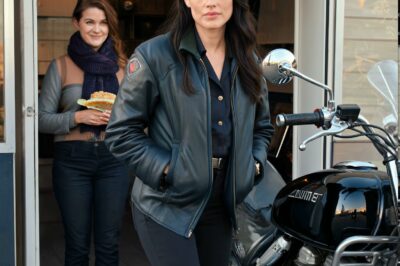
Single Dad Fixed a Stranger’s Motorbike—Unaware She Was a Billionaire Looking for Something Real! Portland rain came down in clean silver lines,
Single Dad Fixed a Stranger’s Motorbike—Unaware She Was a Billionaire Searching for Love! The late afternoon rain drummed against the…

The General Talked Down to Her at Morning Briefing — Never Knowing She Was His New Commander Wood-paneled walls.
The General Humiliated Her at Morning Briefing — Never Knowing She Was His New Commander My name is Olivia Chen…
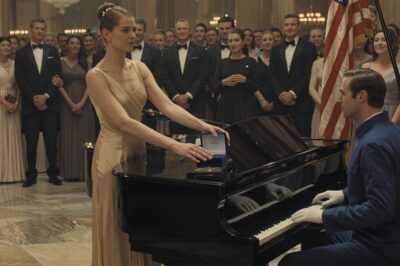
“Play This Piano, I’ll Marry You!” — Billionaire Challenged Janitor, Until He Played Like Mozart The ballroom at the Meridian Club
“Play This Piano, I’ll Marry You!” — Billionaire Mocked Janitor, Until He Played Like Mozart A billionaire mocked a…
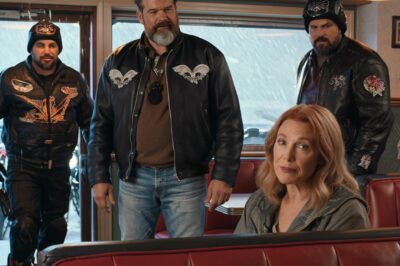
Kind Old Lady Shelters 15 Motorcycle Riders During a Snowstorm, Next Day 100 Bikes Line Up at Her Door The wind off Highway 70 sounded like it was scraping the world clean.
Kind Old Lady Shelters 15 Hells Angels During a Snowstorm, Next Day 100 Bikes Line Up at Her Door…

“You’re Not Cleared,” My General Father Raised His Voice, Tugging At My Uniform In Front Of Everyone. Until They Saw The Tattoo On My Back. Admiral Row Stood Up Slowly, His Eyes Wide With Surprise And Whispered: “Sir… She Outranks You”. My Father Went Pale
“You’re a TRAITOR,” my GENERAL father shouted, until ADMIRAL Row whispered: “She OUTRANKS you.” A decorated military officer is publicly…
End of content
No more pages to load